Property listings have surged to levels not seen since 2015

Property listings have surged to levels not seen since 2015, with nearly 30% more houses up for sale. Meanwhile, house prices have inched up by 2.9% over the past year, according to the latest report from Real Estate New Zealand. The average asking price nationwide is now just under $887,000, up by $27,000 from last year. Central Otago boasts the highest average asking price, while the West Coast has the lowest, surpassing $500,000 for only the second time in 17 years.

According to Realestate.co.nz, the property market was quiet in 2023, with record-low listings for eight out of 12 months. Factors like high interest rates, living costs, and uncertainty due to the election kept transactions down. However, with inflation easing, new government policies, and more stable prices over the past 18 months, investors are returning to the market. Some are holding onto properties for tax benefits, while others are selling due to changes in rules like the brightline test being reduced to two years.

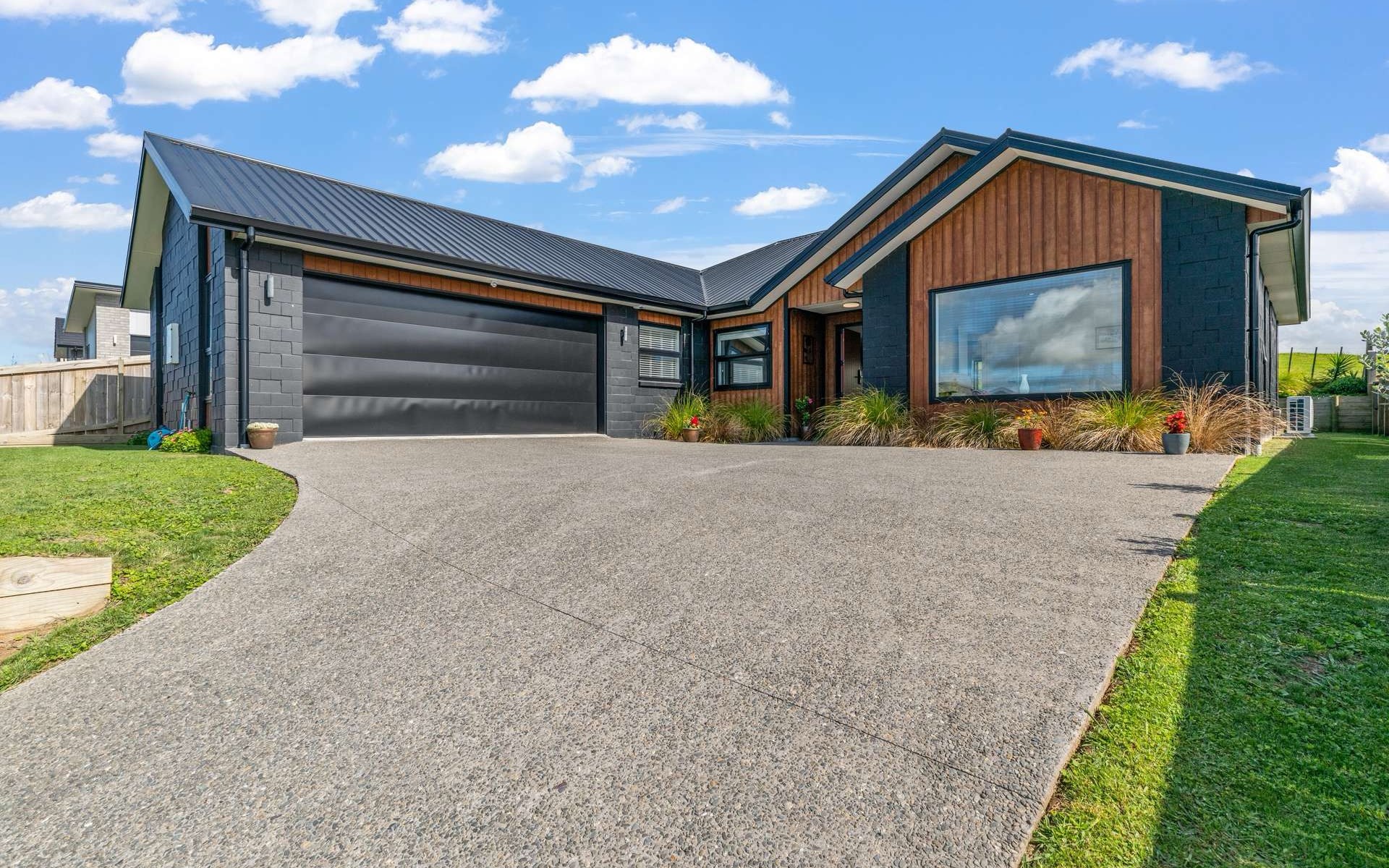
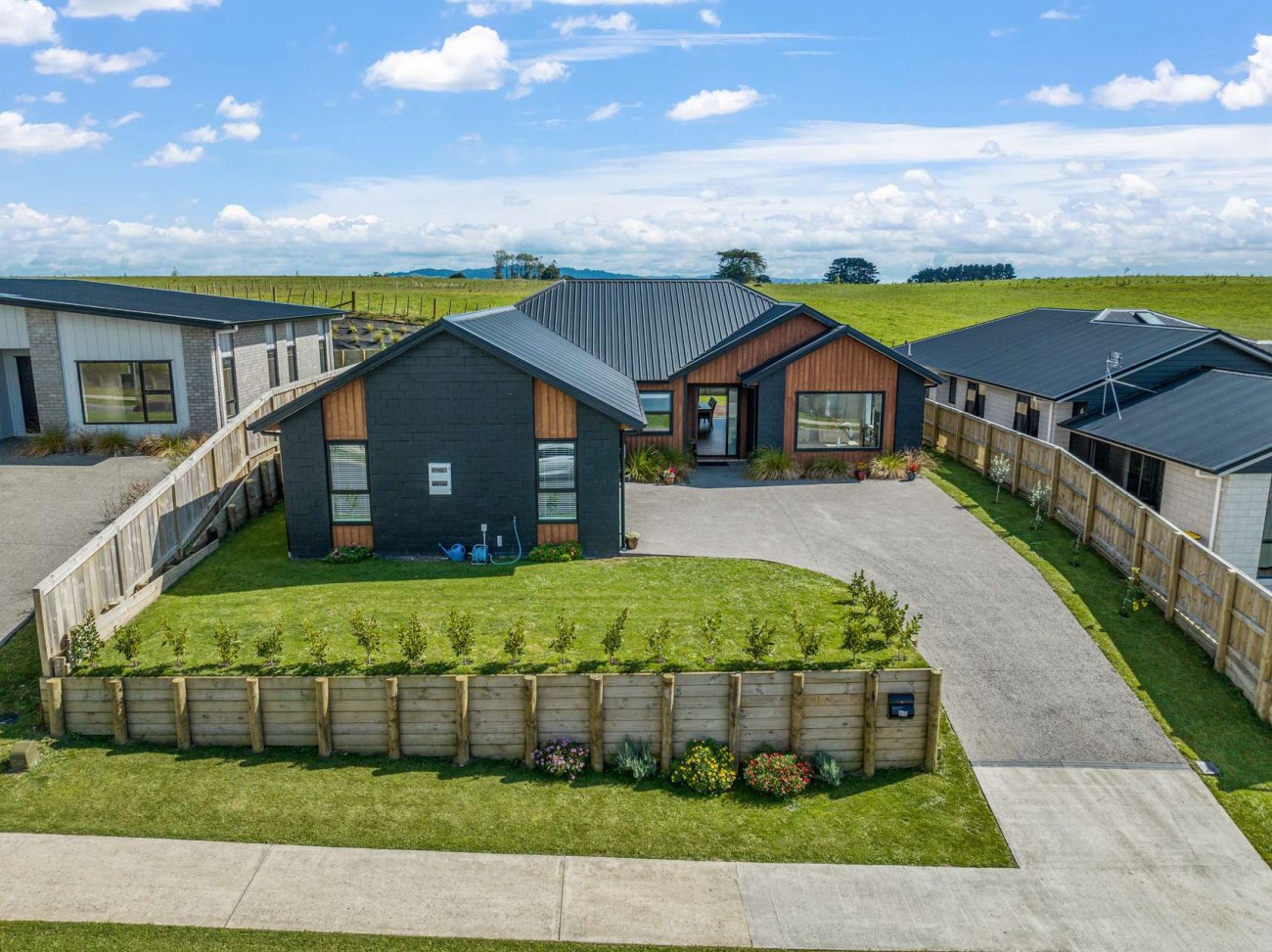
Near New Luxury Urban Home with Rural Views!

Experience the epitome of contemporary living and serene rural views with this near-new contemporary home on Pinehurst Crescent. Perfectly positioned to offer beautiful views over the neighbouring farmland and beyond, this large open-plan family home captures the best of both worlds: the tranquillity of countryside living with the convenience of urban living. 

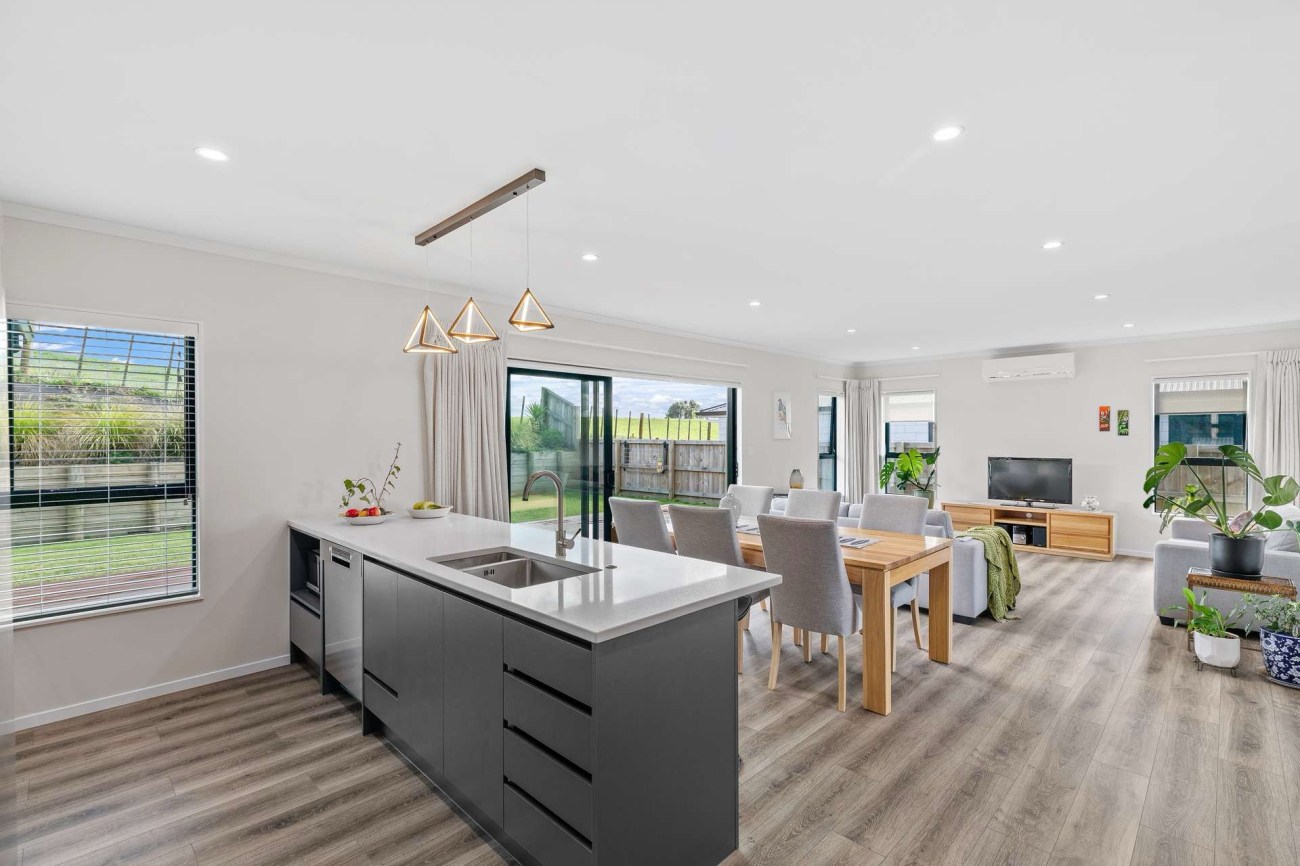
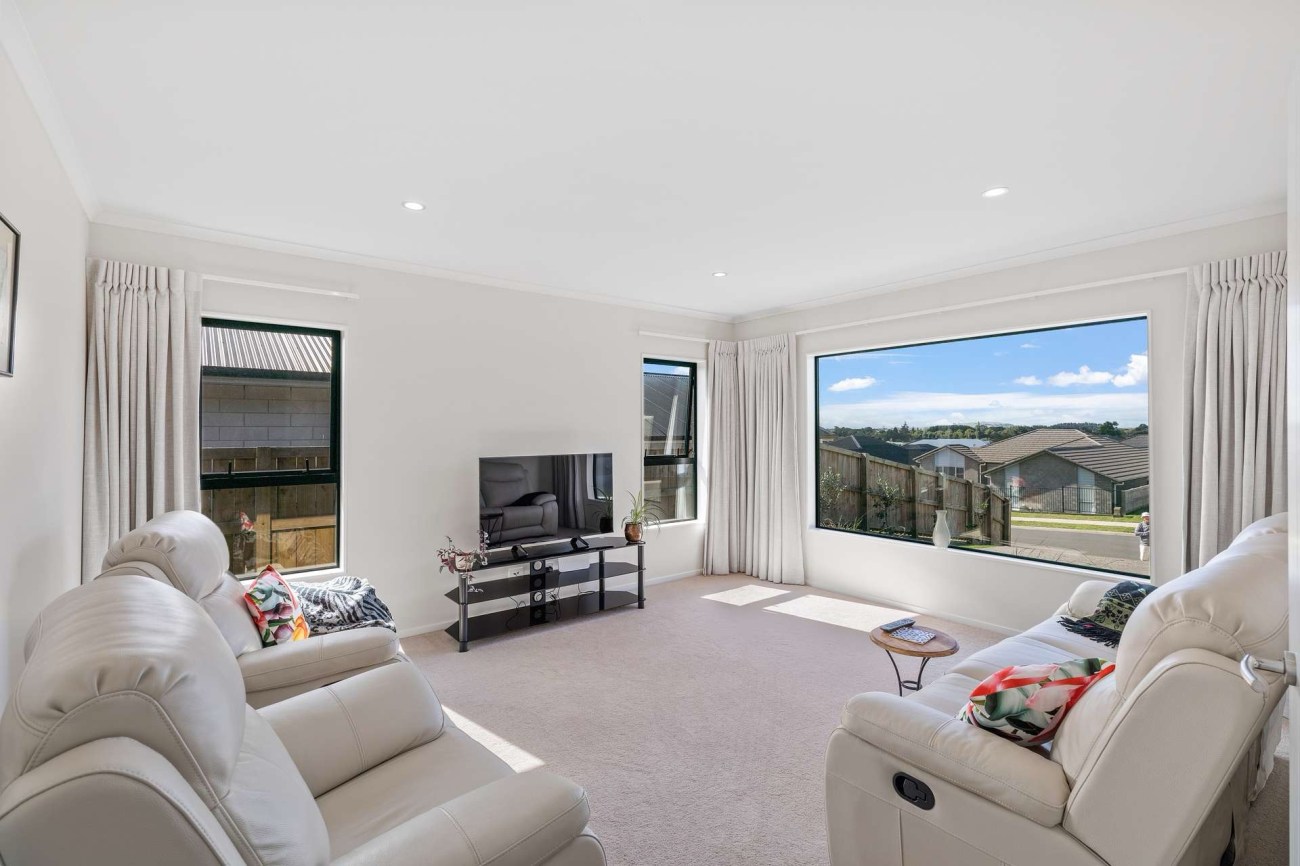
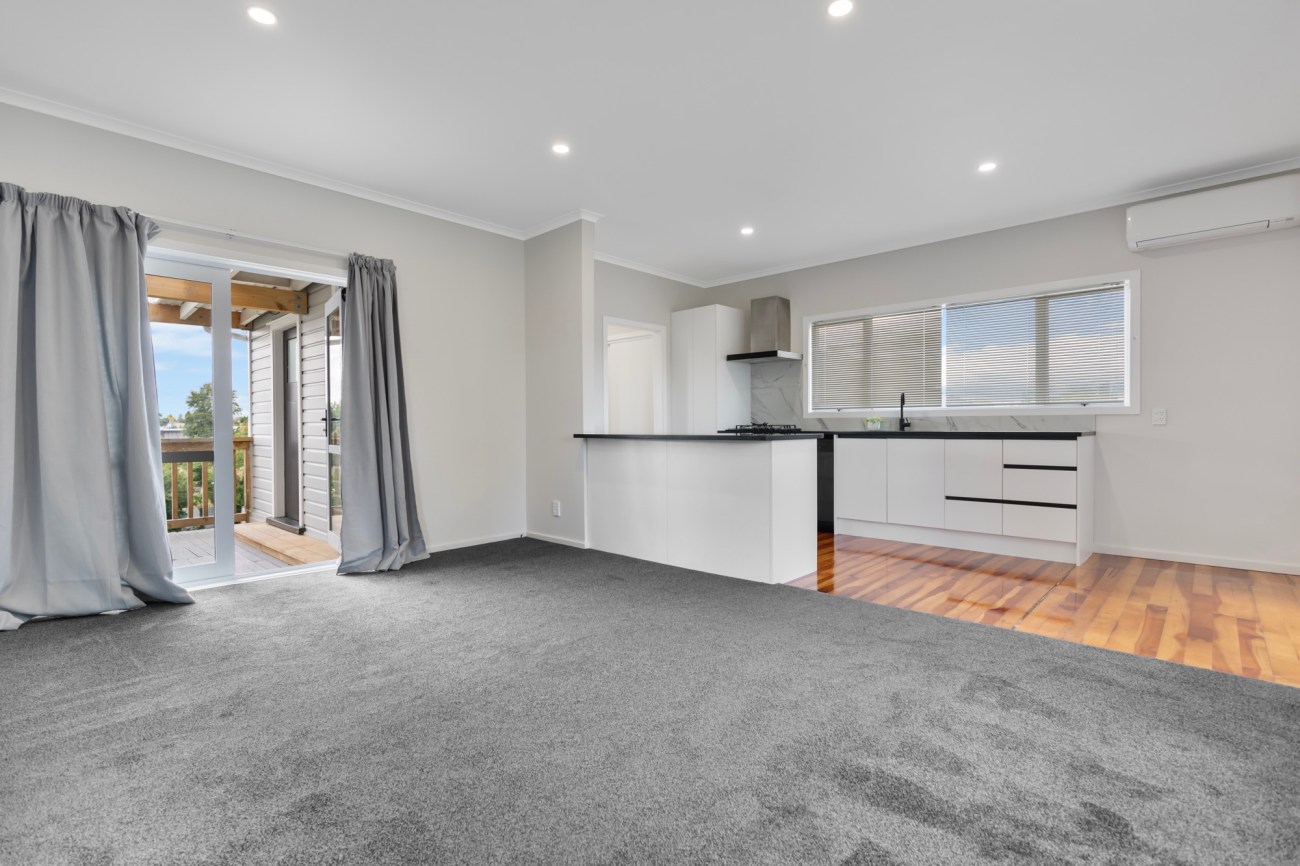
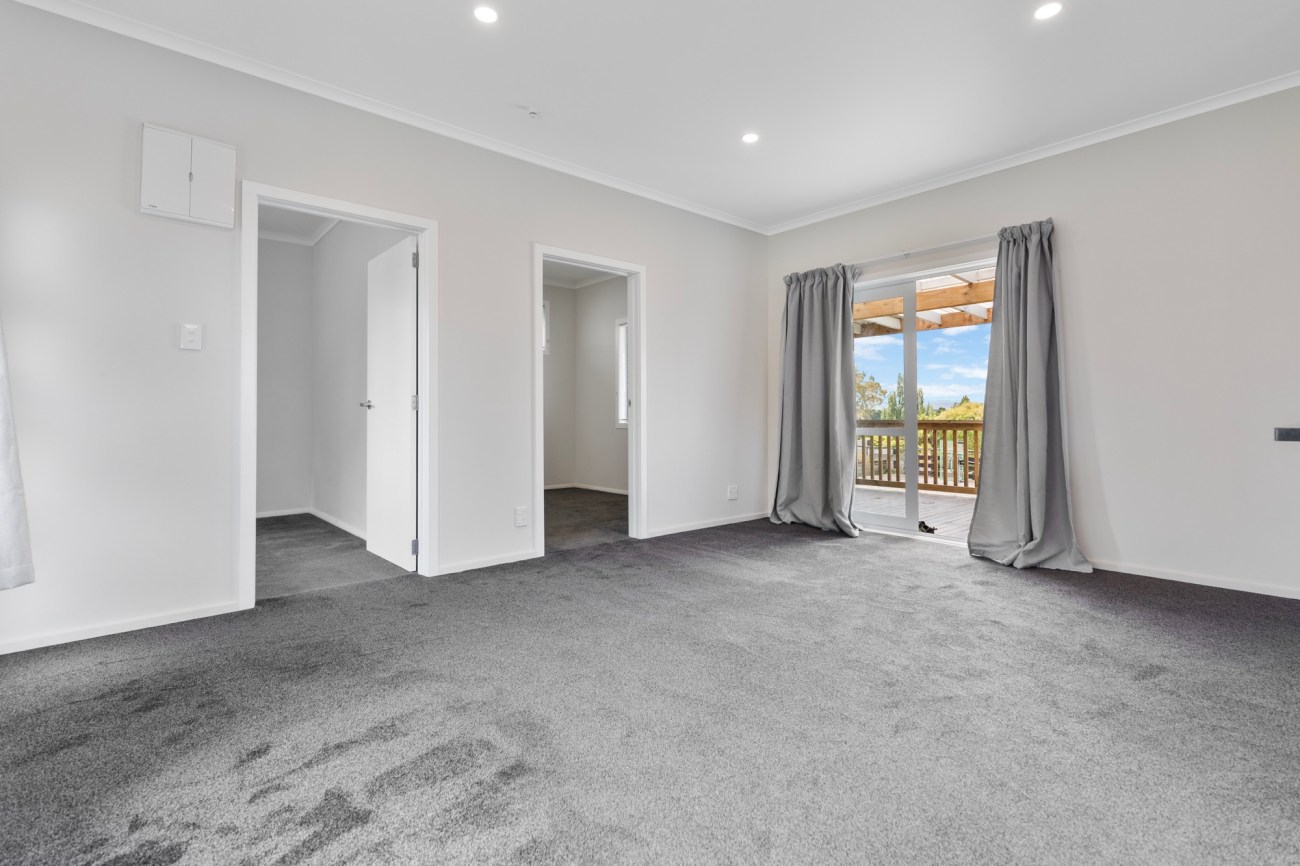
As you step inside, you’re welcomed by an expansive open-plan living area, with sleek flooring and a heat pump for year-round comfort and style. This space is designed not just for living but for creating memories, with large windows framing the picturesque rural outlook and opening out to a sunny entertainer’s deck. Beyond the main living area, there’s also a cosy separate carpeted lounge where you can relax and unwind, spend time with family or simply curl up with a good book.

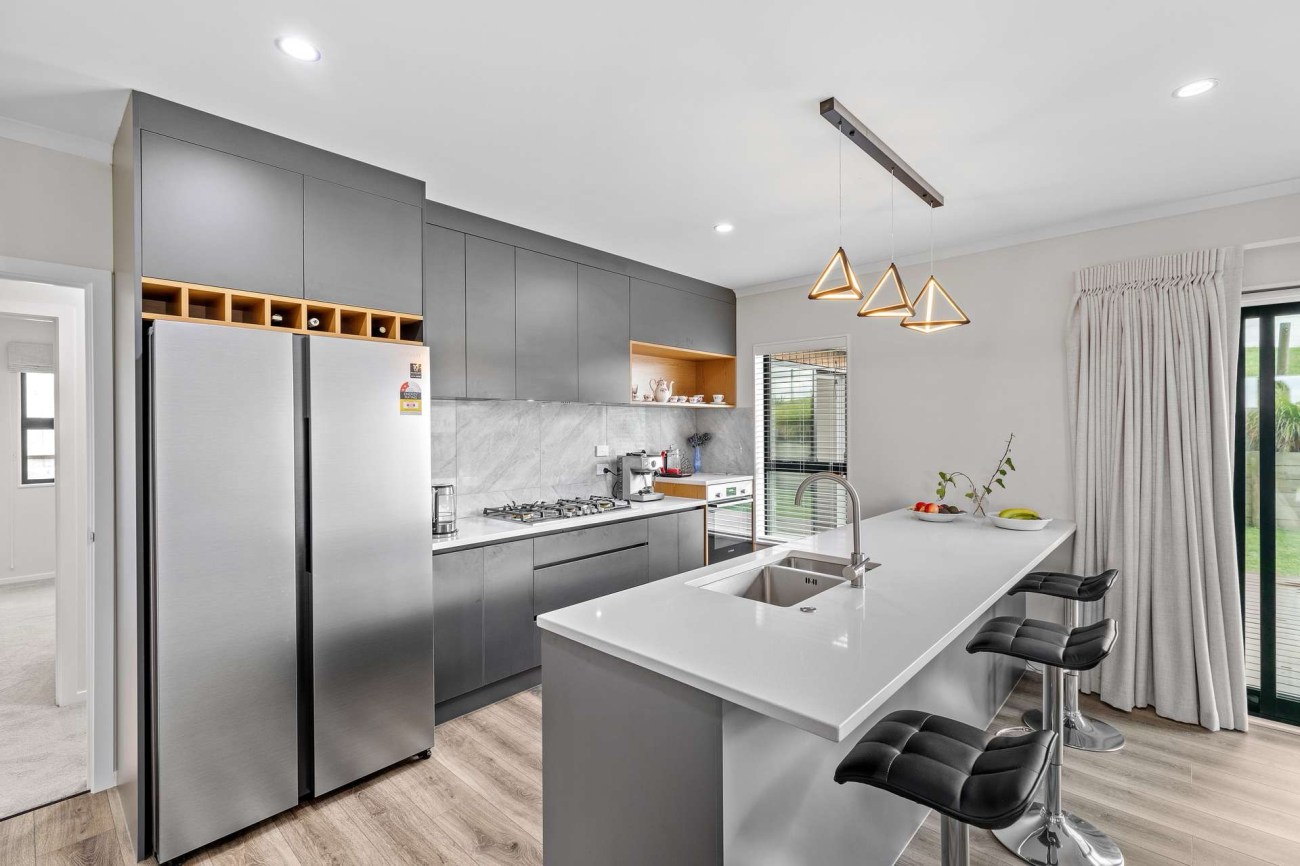
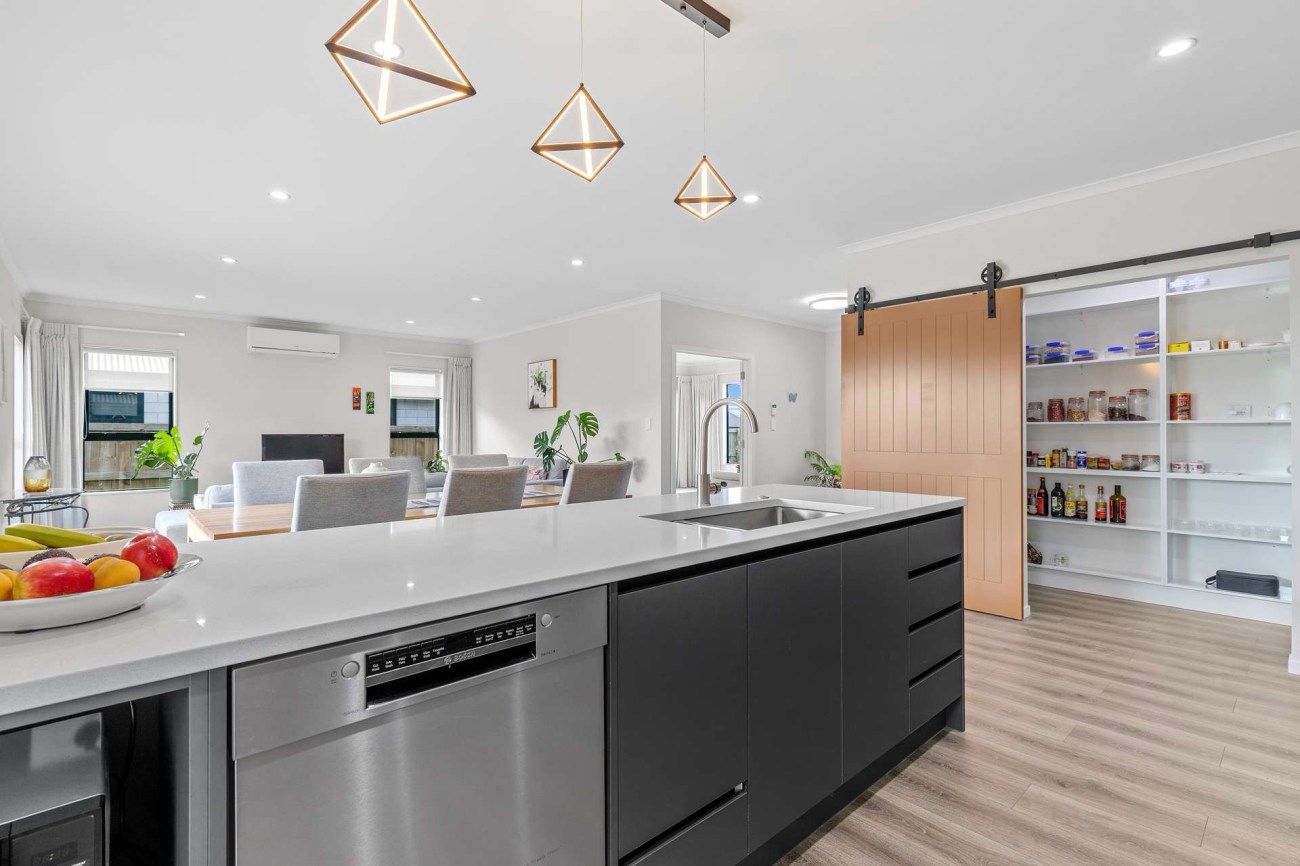
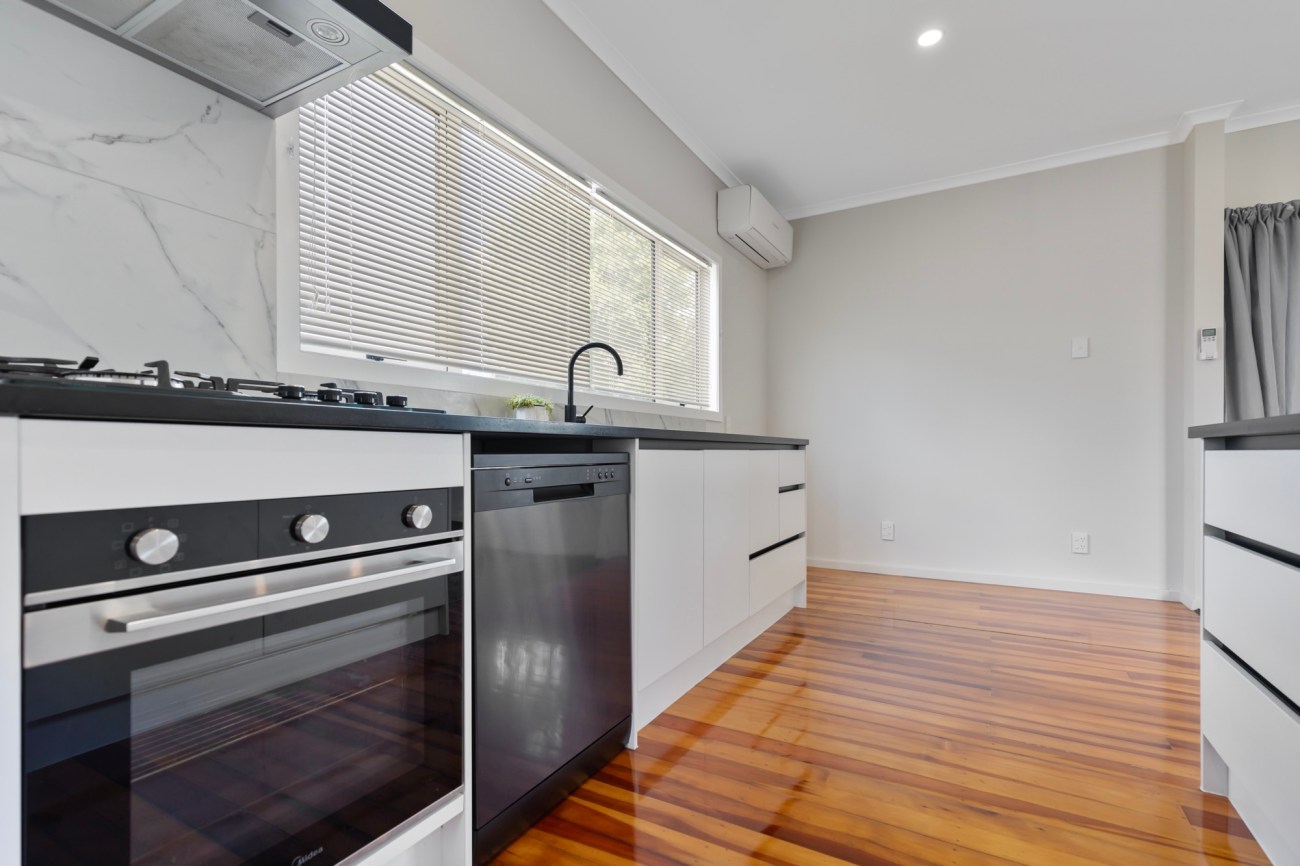
The heart of the home is its very modern open-plan kitchen with eye-catching pendant feature lights, sleek handle-free cabinetry, and a large breakfast bar. Equipped with quality appliances, this kitchen doesn’t just cater to culinary needs; it invites creativity and connection, making every meal a special occasion.

Accommodation is generously provided with four airy bedrooms, each a haven of calm and sophistication. The main bathroom has a restful bathtub as well as a shower and both the bathroom and ensuite have beautiful tiling, showcasing meticulous attention to detail and a commitment to luxury.

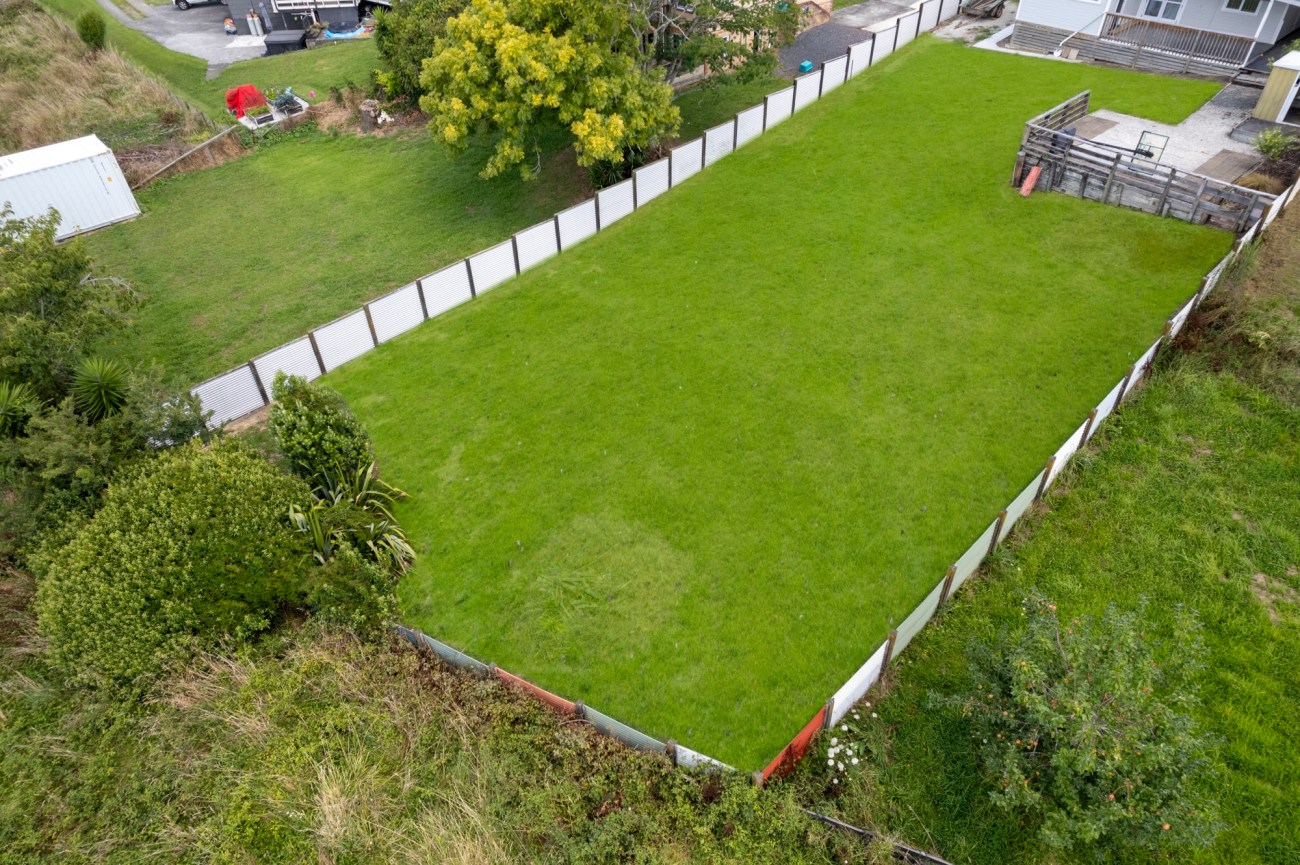
Sitting on a large flat, fenced 643sqm section, it’s a gorgeous family home that offers the best of town and country. 

With shops, dining options and schooling nearby, this beautiful home delivers an unparalleled lifestyle choice. Not just a place to live, it’s a statement of sophisticated rural living, offering a blend of luxury, comfort, and panoramic beauty.

New Zealand House Price Forecast for 2025: Navigating the Future Real Estate Landscape

As we peer into the crystal ball to forecast the trajectory of New Zealand’s housing market for 2025, it’s crucial to acknowledge the myriad of factors that could influence the direction house prices will take. From economic undercurrents to demographic shifts, the real estate landscape in New Zealand is at a pivotal juncture. In this analysis, we delve into the components likely to shape the housing market in 2025, offering insights for homeowners, investors, and potential buyers navigating this evolving terrain.

Economic Growth and Interest Rates

The economic landscape plays a foundational role in the health of the housing market. New Zealand’s economic resilience, post-pandemic recovery, and growth trajectory will significantly impact consumer confidence and, by extension, the real estate sector. Strong economic growth bolsters purchasing power and investment appetite, potentially pushing house prices upward.

Interest rates are another critical factor. The Reserve Bank of New Zealand’s monetary policy stance towards inflation, employment, and economic stability will dictate the cost of borrowing. Lower interest rates have historically fueled housing market booms by making mortgages more affordable, while higher rates could cool the market by increasing borrowing costs.

Supply vs. Demand Dynamics

The interplay between housing supply and demand remains a key determinant of price movements. New Zealand’s chronic housing shortage has been a primary driver of price escalations in recent years. Efforts to ramp up construction and address the housing deficit are underway, but the pace of new builds relative to demand growth will be crucial. Should supply constraints ease significantly by 2025 due to aggressive housing policies and construction advancements, we may see a moderation in price growth. Conversely, if demand continues to outstrip supply, especially in urban centres, prices could further escalate.

Demographic Trends and Immigration

Demographic shifts and immigration policies also wield influence over the housing market. New Zealand’s attractiveness as a place to live, work, and study can drive demand for housing. Policies facilitating or restricting immigration will impact this demand, with more open policies likely fuelling higher demand and potentially pushing prices up, assuming supply does not keep pace.

Technological Advancements and Lifestyle Changes

The aftermath of the global pandemic has ushered in a new era of remote work, altering homebuyers’ preferences and potentially redistributing housing demand from urban to regional areas. Technological advancements and a shift towards sustainable living may also impact housing preferences, potentially influencing price dynamics in various segments of the market.

Regional Variability

It’s important to recognize the heterogeneity of New Zealand’s housing market. Regional economic conditions, local housing policies, and specific demand-supply dynamics mean that some areas may experience divergent price movements. Urban centres with strong job markets and lifestyle appeal may see continued price growth, while other regions could experience stabilization or more modest gains.

Looking Ahead to 2025

Forecasting the future of house prices is inherently speculative, especially in a market as dynamic as New Zealand’s. However, based on current trends and potential future developments, it’s plausible to expect continued growth in house prices into 2025, albeit potentially at a more moderate pace than seen in recent years, assuming efforts to increase supply come to fruition and economic conditions remain supportive.

For stakeholders in New Zealand’s real estate market, staying informed and adaptable will be key. Monitoring economic indicators, policy developments, and regional market trends will enable homeowners, buyers, and investors to make informed decisions in a changing landscape.

As we approach 2025, the team at Home4View.com remains committed to providing you with the insights and analysis needed to navigate New Zealand’s real estate market with confidence. Whether you’re looking to buy, sell, or simply keep a pulse on market trends, we’re here to help illuminate the path forward.


Will House Prices Increase in New Zealand During 2024? An Insightful Analysis

The trajectory of house prices has always been a hot topic in New Zealand, capturing the interest of homeowners, investors, and potential buyers alike. As we move into 2024, the question on everyone’s mind is whether the trend of rising house prices will continue, stabilize, or perhaps even decline. To shed some light on this, let’s delve into the factors that could influence the housing market in the coming year.

Economic Factors

The overall economic health of New Zealand plays a pivotal role in determining house prices. Factors such as GDP growth, unemployment rates, and consumer spending have a direct impact on the housing market. As of early 2024, if New Zealand’s economy continues its recovery trajectory from the global events of the past few years, we may see an increase in house prices due to heightened demand fueled by higher consumer confidence and spending.

However, it’s also crucial to consider the role of inflation and interest rates. The Reserve Bank of New Zealand’s monetary policy, particularly decisions around the Official Cash Rate (OCR), can influence borrowing costs for prospective homeowners. If inflation remains under control and interest rates are kept at moderate levels, borrowing could remain attractive, supporting demand and potentially leading to price increases. Conversely, significant hikes in interest rates could dampen demand, putting downward pressure on prices.

Supply and Demand Dynamics

The fundamental forces of supply and demand will continue to be major determinants of house prices. New Zealand has historically grappled with a housing supply shortage, which has been a key driver of price increases. If construction activity fails to keep up with demand, particularly in major urban centres like Auckland and Wellington, prices could be pushed higher.

Government policies aimed at increasing the housing stock, such as incentives for new construction and measures to streamline the building permit process, could help alleviate some of the supply constraints. The success of these initiatives in boosting housing supply will be a critical factor to watch in 2024.

International Factors

Global economic trends and geopolitical events can also impact New Zealand’s housing market, albeit indirectly. For example, foreign investment in New Zealand real estate has been a contributor to rising house prices in the past. Changes in global economic conditions or shifts in investor sentiment could influence the level of foreign investment in the housing market.

Moreover, New Zealand’s attractiveness as a destination for expatriates and returning Kiwis, which surged during the global pandemic, could continue to affect housing demand. Immigration policies and the global management of health crises will likely play a role in this regard.

Regional Variations

It’s important to note that the national picture may not accurately reflect what’s happening at a regional level. Certain areas may experience growth due to local economic factors, infrastructure development, or lifestyle attractions, while others may see stagnation or declines.

Conclusion

Predicting the future of house prices in New Zealand for 2024 involves considering a complex interplay of local and international factors. While the potential for price increases exists, particularly if demand continues to outstrip supply, uncertainties around economic recovery, interest rates, and global events could also lead to a more stabilized or varied regional market scenario.

For potential buyers and investors, keeping a close eye on economic indicators, government policies, and regional trends will be key to navigating the 2024 housing market. As always, the most prudent approach involves thorough research and, when necessary, consultation with real estate and financial professionals.

Home for sale in Te Kauwhata.

Double the Opportunity on Eccles Ave!


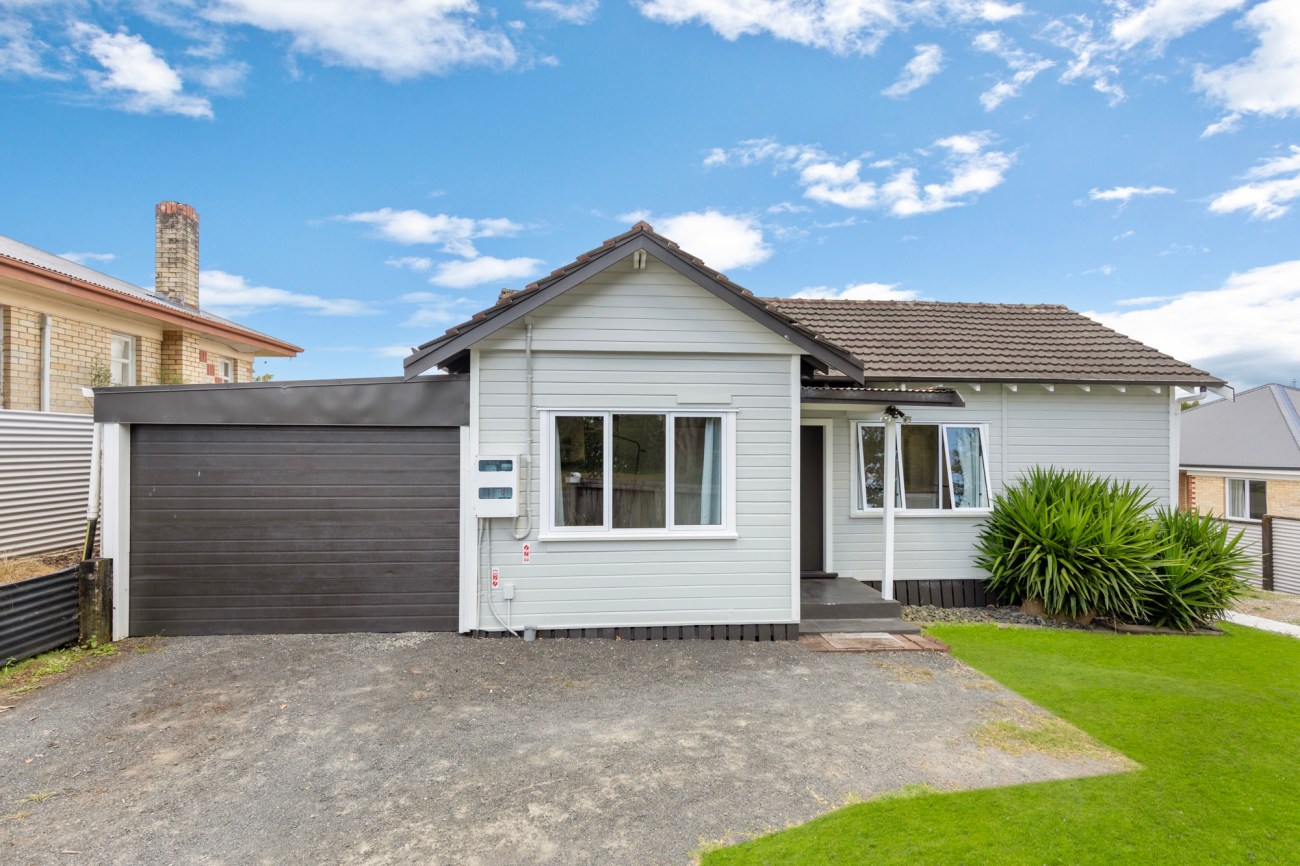
We have 2 properties for sale on Eccles Ave in Te Kauwhata, available as a combined unit or separately. You might like to buy the charming 2 bedroom home that’s just undergone extensive renovations with double glazing, new plumbing and wiring on a large quarter acre section, or we have the option of selling the home on a smaller 480sqm section, with an additional 530sqm block of land (more or less) being sold separately.

The subdivision has received approval, with two titles and all engineering aspects are in order.

While the owner’s preference is to sell both properties together, they are open to the possibility of selling them as separate titles. This flexibility is designed to accommodate various preferences and requirements.

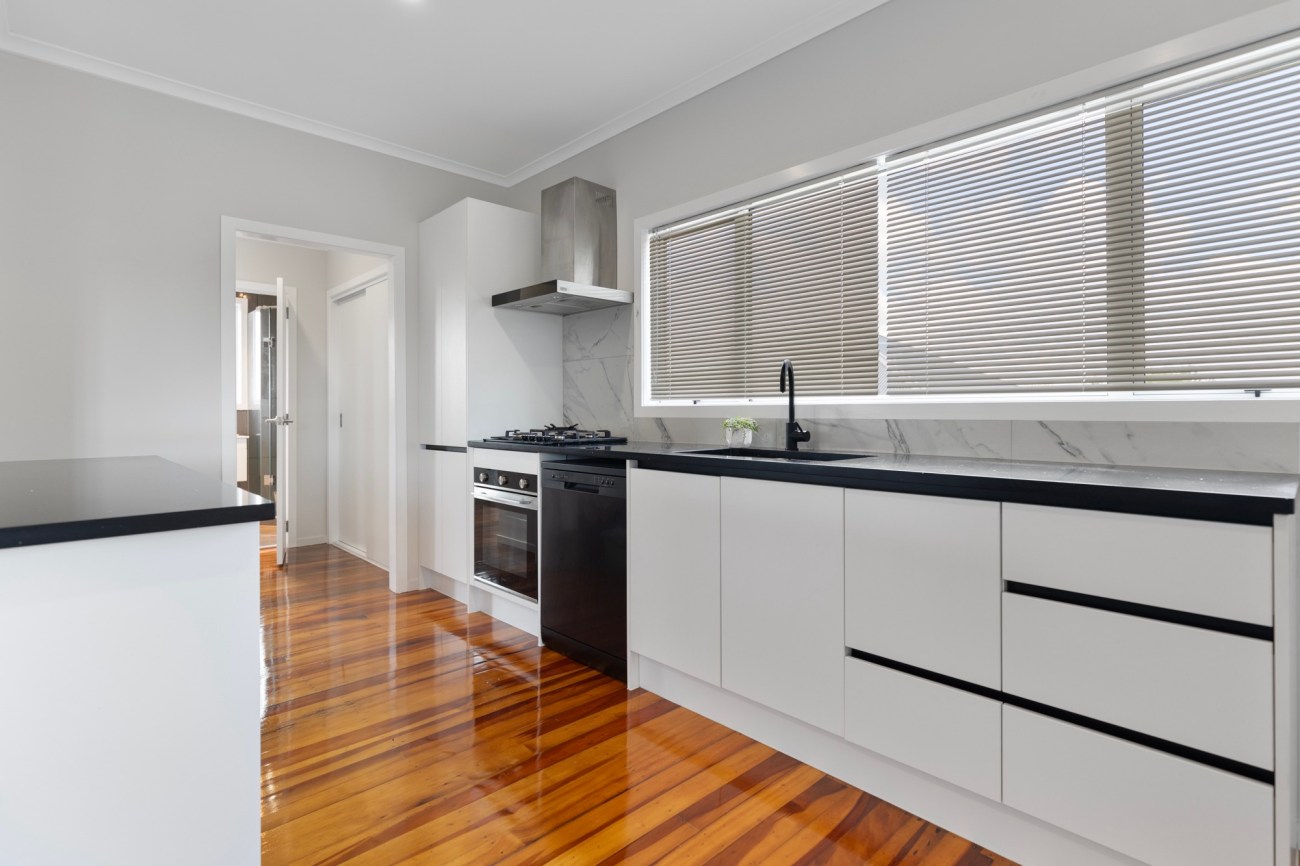
The existing home sits towards the front of the property with a large backyard, part of which can be sold separately depending on your needs. It has been stylishly updated with a new contemporary kitchen, soft carpet and a fresh lick of paint. The hard work has all been done, it’s available for vacant possession and it’s waiting for you to move in and enjoy.

Ideal for investors, first home buyers, downsizers and empty nesters it offers solid 1940’s weatherboard construction, a large covered deck, easy care gardens and lovely views over the countryside.

This classic home offers a lot of flexibility, you can choose to have a large or more compact section, or build a new home at the back. I’d love to discuss the options with you, so please don’t hesitate to get in touch.

Please contact Darren Harris for more information about viewings, or for copies of documentation for this property.